
Contents
The FTC’s rule banning fake reviews and testimonials isn’t news anymore, it’s been on the books since October 2024. What is news: the FTC actually started enforcing it. On December 22, 2025, the agency sent warning letters to 10 companies over practices it believes violate the rule, its first real public enforcement action since the rule took effect. That’s a big shift from “here’s a rule that exists” to “here’s a rule that’s actually costing people money now,” and it’s worth understanding either way.
Want a second set of eyes on your own review practices? Get in touch and we’ll take a look.
What the Rule Actually Bans
The official name is the Consumer Review Rule (16 C.F.R. Part 465), and it targets a handful of specific practices, not reviews in general. It’s unlawful for a business to:
- Write, buy, sell, or publish fake consumer or celebrity reviews and testimonials, including ones from your own employees or their family members.
- Use insider reviews (from owners, employees, or anyone with a financial stake) without disclosing that connection.
- Offer an incentive, like a discount or free product, in exchange for a review that has to be positive.
- Suppress or selectively hide negative reviews.
- Buy or sell fake indicators of social media influence, like followers, likes, or views, to make a business look more popular than it is.
When then-FTC Chair Lina Khan announced the rule in 2024, she put it plainly: fake reviews “waste people’s time and money” and “pollute the marketplace and divert business away from honest competitors.” That’s still the core logic behind it, even though the FTC has new leadership now.
The FTC Is Now Actually Enforcing This
Here’s the part that’s actually new. Those December 2025 warning letters gave recipients five days to confirm in writing that they’d fixed whatever the FTC flagged, and cautioned that continued violations could mean real civil penalties, currently up to $53,088 per violation.
The FTC’s own template letter gives a specific example of what it’s looking for: things like paying employees to get five-star reviews from friends and family, or asking people with zero actual experience with the product to leave a review anyway. That’s a useful gut-check, if any of that sounds like something your business (or an employee) has ever done, even informally, it’s worth a second look.
There’s also already one confirmed case tied directly to the rule, a company called Growth Cave, which the FTC says used testimonials from people who never disclosed they were employees, alongside separate allegations about false earnings claims. One case doesn’t mean a flood is coming, but it does mean the rule has teeth now, not just language.
Worth knowing: this rule didn’t get quietly dropped when the administration changed in 2025, despite a lot of Biden-era FTC priorities getting rolled back. Consumer review enforcement stuck around and picked up steam instead, which tells you this isn’t a partisan thing, it’s just how the agency sees deceptive reviews now, regardless of who’s in charge.
Simple Steps to Stay Compliant
Most honest small businesses aren’t the target here, but it’s still worth a quick audit rather than assuming you’re fine:
- Check your existing reviews. Go through what’s currently live on your website, Google Business Profile, and social pages. Were these left by actual customers? If a friend, family member, or employee left one without saying so, or if you paid for it, take it down.
- Be honest about incentives. If you offer a discount or freebie for a review, never ask for it to be positive specifically. Ask for an honest one and mean it.
- Loop in your team. If employees interact with customers or manage your review pages, make sure they know posting or soliciting fake reviews (even from friends and family “just to help out”) isn’t allowed anymore.
- Look at your broader practices. If you’ve ever bought followers, likes, or engagement to look more popular online, that’s covered by the rule too, and it’s worth stopping regardless of enforcement risk.
Where This Leaves You
None of this means reviews are suddenly risky to ask for. Genuinely asking real customers for honest feedback is completely fine, and still one of the best things you can do for a local business. What’s changed is that cutting corners on reviews now carries real financial risk, not just a bad look if someone notices.
If you want help building a review strategy that’s both effective and fully compliant, reach out to us and we’ll help you set it up right the first time.
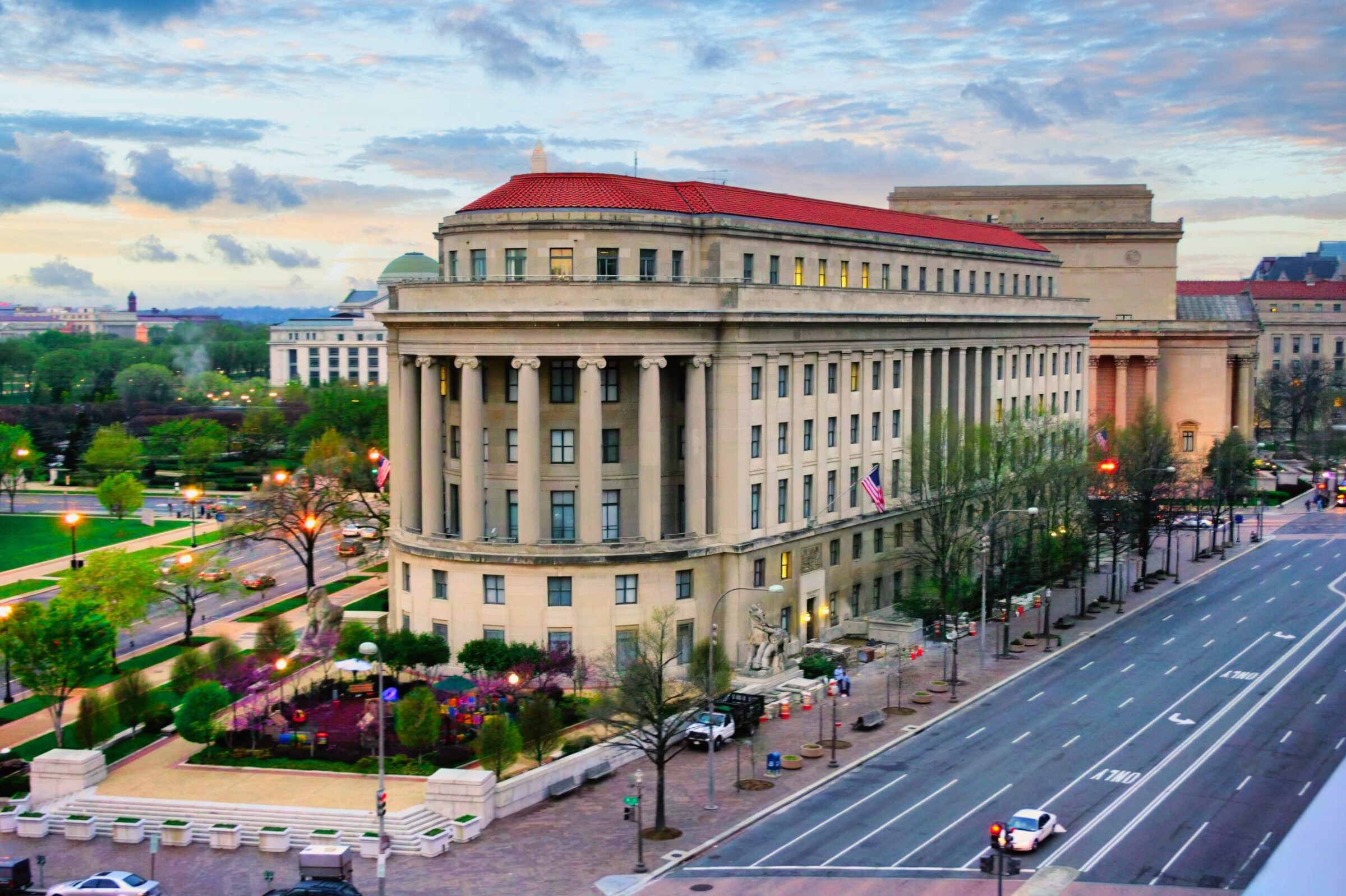
Image Credit: The Apex Building, headquarters of the Federal Trade Commission, on Constitution Avenue and 7th Streets in Washington, D.C. by Harrison Keely, CC BY 4.0 https://creativecommons.org/licenses/by/4.0, via Wikimedia Commons
Frequently Asked Questions
Does the FTC's rule mean I can't ask customers for reviews?
No. Asking real customers for honest reviews is completely fine and encouraged. The rule targets fake reviews, undisclosed insider reviews, and incentives tied to a specific sentiment, not the act of asking for feedback itself.
What counts as an "insider review" under the rule?
Any review or testimonial from someone with a financial connection to the business, an owner, employee, or their immediate family, that doesn’t clearly disclose that connection. The review itself can be genuine and still violate the rule if the relationship isn’t disclosed.
Can I offer a discount in exchange for a review?
Yes, as long as you’re not conditioning it on the review being positive. Asking for “an honest review” in exchange for an incentive is fine. Asking for “a 5-star review” is not.
How much could a violation actually cost?
Civil penalties currently run up to $53,088 per violation, and that figure adjusts for inflation periodically. The FTC’s recent warning letters gave recipients five days to confirm corrective action before penalties became a real possibility.
Is this rule likely to change again under new FTC leadership?
It’s always possible, but so far it hasn’t. The rule was finalized under one administration and has continued to be actively enforced under a different one, which suggests it’s more settled than a lot of other regulatory priorities right now.